
SOME OF THE COMMON PROBLEMS WITH IGNITION CYLINDER
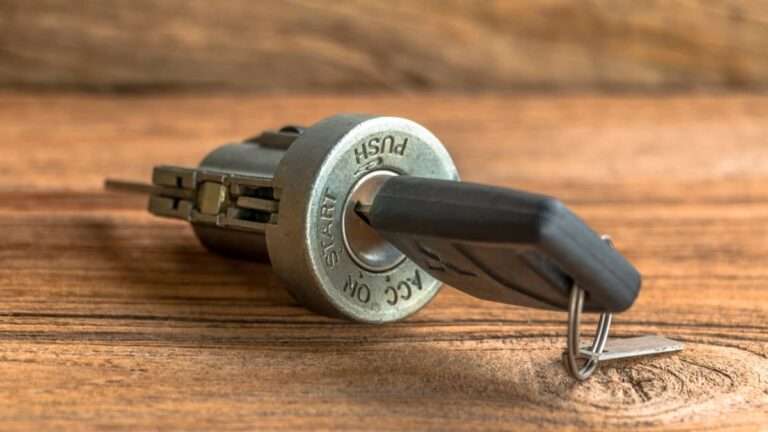
The ignition switch is one of the most important components in your vehicle. It is responsible for getting power to your engine, as well as powering other key parts of the vehicle. Without a fully functional ignition switch, you may not be able to start your engine or keep it running. It can also cause issues with other electrical devices inside your car.
When ignition switches fail, you don’t have a lot of options. It can be frustrating to be unable to start your vehicle and get where you need to go. However, there are things that you can do to protect yourself from being stranded. Using the guide below, you can troubleshoot potential problems with your ignition switch and get back on the road once again.
Worn Ignition Cylinder or Work Car Key
The ignition key cylinder is the outer housing that holds the ignition switch. The ignition switch itself is connected to the ignition cylinder by a shaft or lever. Inside the ignition switch, several contacts connect vital electrical systems needed to start and run the car. Generally speaking, in the “OFF” position, the ignition switch doesn’t connect anything; in the “ACC” position, the radio or fan may be energized; in the “RUN” position, the engine control module is energized; and finally, in the “START” position, the starter relay is engaged. (These generalizations, depend significantly on year, make, and model.)
Worn ignition switch contacts, temperature problems, or broken springs can all cause the ignition switch to fail. If you’re having trouble starting your car, it may be time to replace your ignition cylinder. This includes key tumblers and any parts that may be worn.
To fix this problem first ensure the rest of your car’s electrical system is intact by inspecting fuses, relays and circuits. If there are no problems with these elements, replace the ignition switch.
Locked Steering Wheel
The steering wheel lock is mechanically interlocked with the ignition cylinder so that it cannot be turned unless the steering wheel is unlocked. If you turn off the engine with the steering wheel turned or turn the steering wheel after turning off the engine, the steering wheel lock can bind and prevent you from turning the ignition.
Fortunately, this is an easy fix. Just turn the wheel back and forth until the ignition cylinder is freed.
Immobilizer Problems
Immobilizer systems use transponder keys to allow or deny engine starting. If that code matches the one programmed into the vehicle, ignition is enabled. An incorrect key code, such as from an unprogrammed key or damaged key, would prevent engine starting. Code confusion can also occur, preventing ignition if there are multiple keys within a given range of transponders around the vehicle’s circuit board. Electrical problems such as broken immobilizer antenna wiring around the ignition cylinder usually prevents codes from being read. Finally, some keys have battery-amplified transponders so that a dead battery might prevent codes from being read.
The first step to troubleshooting is changing the battery in the immobilizer. If your vehicle uses amplified transponders, this is most likely your problem. If a new battery doesn’t solve the problem, then you may need to have a professional make sure all keys are programmed to your immobilizer and that the system is electrically sound.
Car Won't Start
If your car doesn’t start, it may be because of an electrical issue. The ignition switch is the part in your car’s steering column that connects all of the necessary electrical circuits when you turn the key. When it works properly, it ensures that the starter motor turns your engine over. A worn ignition switch can prevent your car from starting at all and will usually cause one or more warning lights to illuminate on your dashboard.
If your car won’t start, there could be several reasons for this. The most common cause is a drained battery. To check if this is the problem, turn on the ignition key to see if everything works.
Key Won’t Turn
if you find that your key does not turn or is difficult to turn then it is likely that the key blade is rounded. If this happens, then the internal pins that fit into each other will not do so correctly and therefore the key will not turn. This can be a problem with keys, such as those on cars and motorcycles, which have a more cylindrical shaped design to their blade. Over time the notches and groves round off and go smooth, stopping them moving into place when you turn the key.
To avoid this happening too often, get your keys replaced every few years by a professional locksmith.
We have listed some of the most common ignition problems in this article. If you need any help or would like to talk about your ignition problem feel free to contact us.